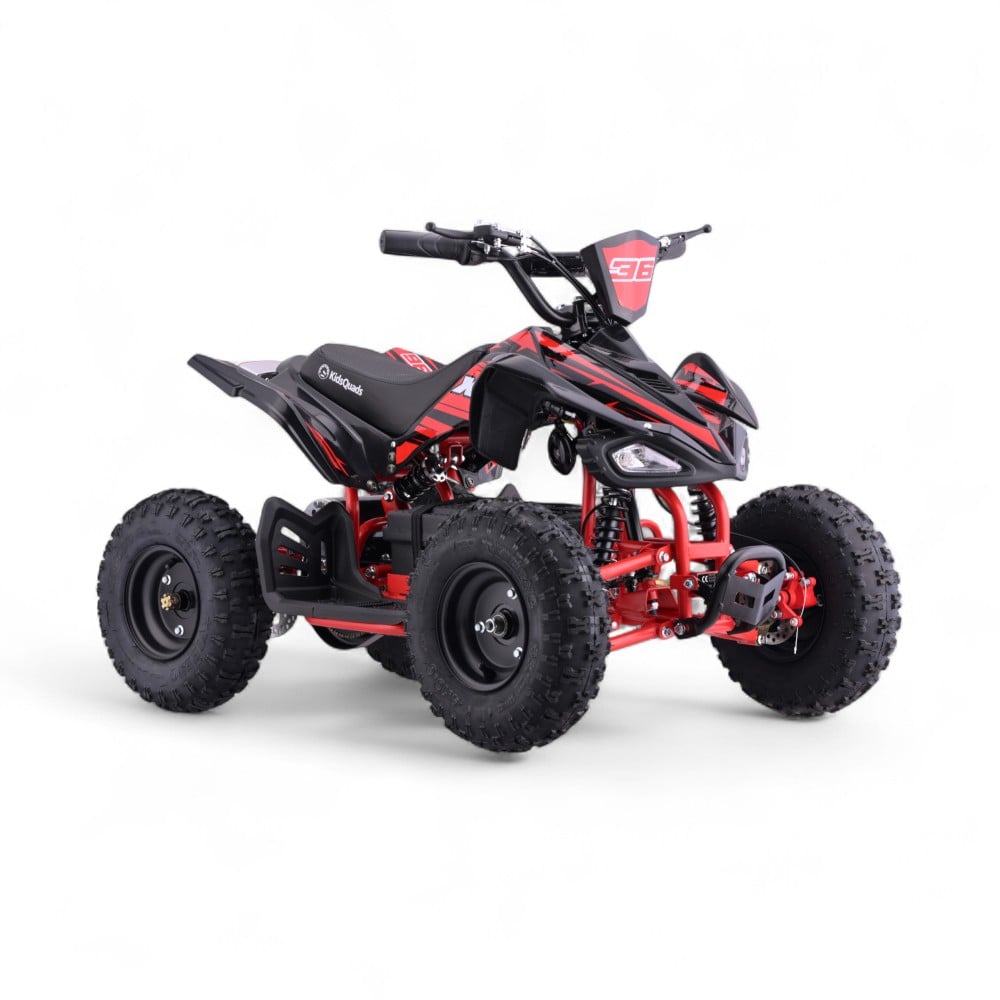
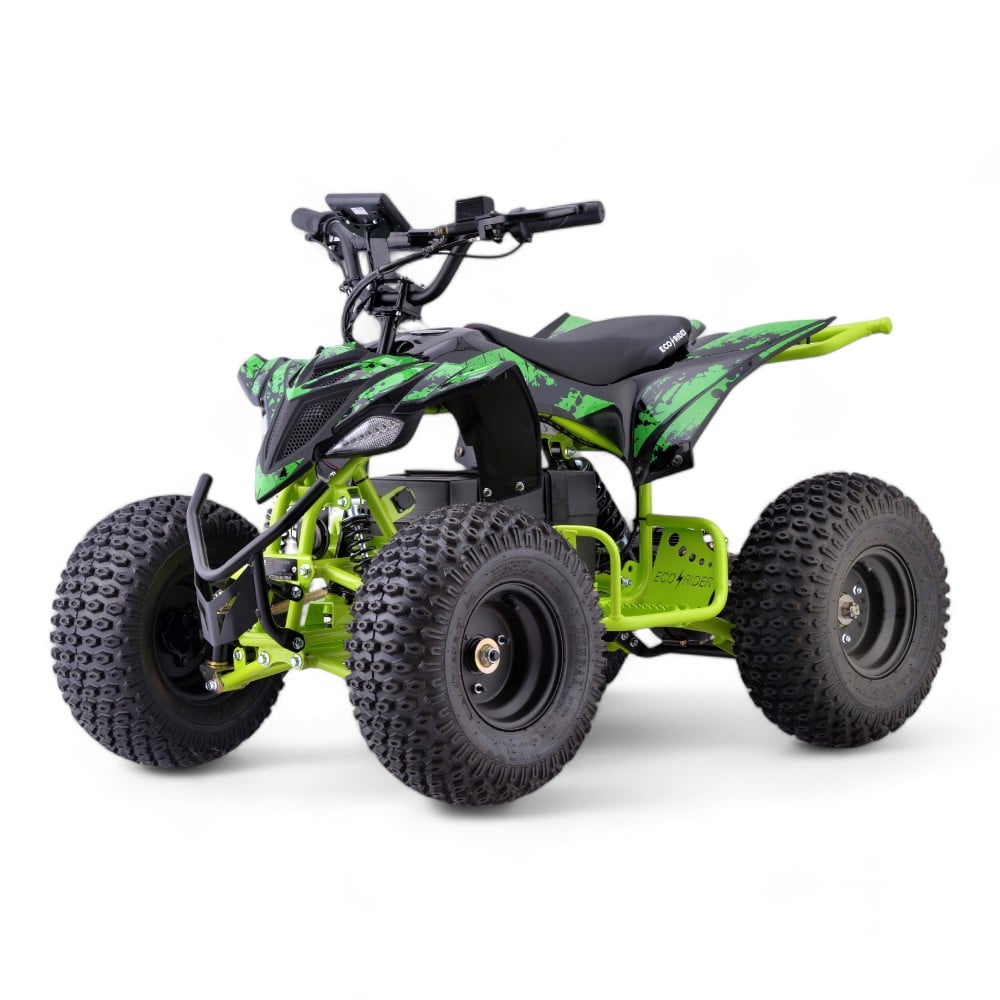
The voltage rating directly impacts speed, battery life, climbing ability and overall riding experience.
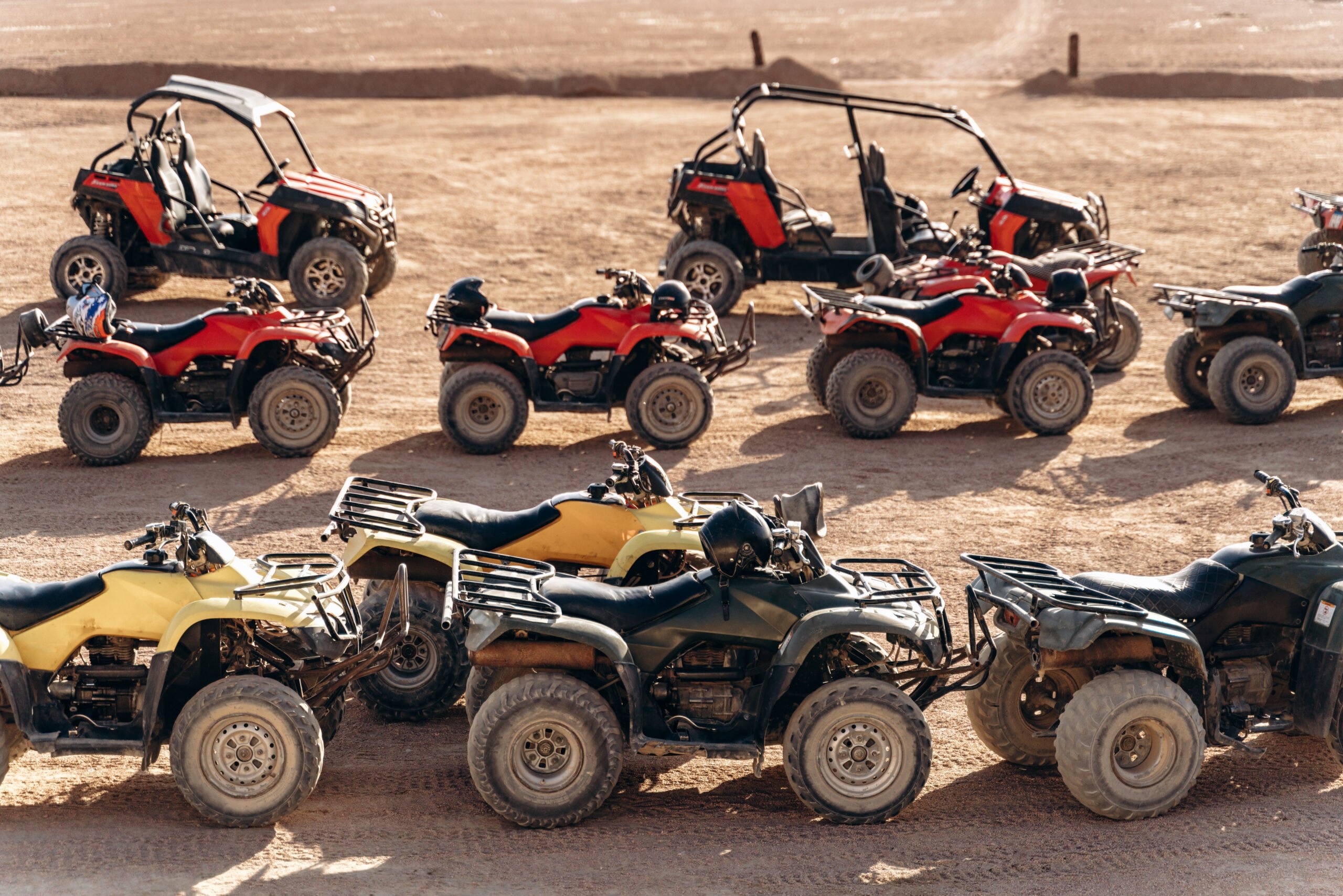
Choosing between a 36v and 48v electric quad bike represents one of the most important decisions parents face when purchasing their child’s first quad or upgrading to a more powerful model. The voltage rating directly impacts speed, battery life, climbing ability and overall riding experience, making it crucial to match the right system to your child’s age, ability and riding environment.
Voltage measures the electrical potential difference that powers your child’s electric quad motor. Think of voltage as water pressure in a hosepipe—higher voltage pushes more electrical energy through the system, resulting in greater power delivery to the motor. For kids electric quad bikes, the two most common voltage systems are 36v and 48v, each designed for different age groups and skill levels.
The voltage rating determines how much power the battery can deliver to the motor at any given moment. A 36v system provides steady, manageable power suitable for younger or less experienced riders, whilst a 48v system delivers approximately 33% more power, translating to faster acceleration, higher top speeds and better performance on challenging terrain.
A 36v electric quad bike typically suits children aged four to eleven years, particularly those new to quad riding or still developing their coordination and confidence. These systems provide sufficient power for exciting outdoor adventures whilst maintaining controllable speeds that allow parents and young riders to build skills progressively.
Most 36v kids quad bikes feature motors ranging from 500w to 1000w, delivering top speeds between 8 and 21 mph depending on rider weight and terrain. This speed range provides plenty of excitement for young riders without overwhelming them or compromising safety. The power output proves ideal for flat to moderately hilly terrain, garden riding and designated riding areas where younger children typically explore.
Battery life on 36v systems tends to offer longer riding sessions compared to more powerful alternatives when ridden at similar speeds. A typical 36v battery with 12Ah capacity provides approximately one to two hours of continuous riding, depending on terrain, rider weight and riding style. This extended runtime means fewer interruptions for charging and more time enjoying outdoor adventures.
The 36v system delivers excellent torque at lower speeds, making it perfect for teaching children throttle control and basic riding techniques. The manageable acceleration prevents sudden lurches that might startle nervous beginners, building confidence through predictable, smooth power delivery.
Lower purchase costs make 36v models more accessible for families introducing children to quad riding for the first time. These entry-level systems provide excellent value whilst children develop foundational riding skills before potentially upgrading to more powerful options. Typical pricing ranges from £300 to £600 depending on build quality and features.
Reduced weight compared to 48v equivalents makes 36v quads easier for younger children to handle and manoeuvre. The lighter overall package improves balance and reduces the physical effort required to control the vehicle, particularly important for riders aged four to seven.
More economical charging costs result from the smaller battery capacity typically found in 36v systems. Parents can expect lower electricity bills compared to charging larger, more powerful batteries, with most 36v batteries costing just pennies per full charge.
Gradual power delivery suits nervous or cautious children who might feel overwhelmed by more aggressive acceleration. The gentler throttle response allows young riders to build confidence at their own pace without pressure to handle excessive power.
A 48v electric quad bike caters to more experienced riders aged eight years and upwards, particularly pre-teens and teenagers seeking greater challenge and performance. These systems deliver noticeably more power, faster acceleration and higher top speeds that satisfy adventurous young riders ready to progress beyond entry-level models.
Most 48v kids electric quads feature motors ranging from 1000w to 1200w, providing top speeds between 15 and 25 mph depending on motor specification and terrain conditions. This substantial performance increase opens up more challenging riding opportunities, including steeper hills, rougher terrain and longer-distance adventures.
The increased voltage provides approximately 33% more power output compared to equivalent 36v systems, translating to superior hill-climbing ability and better performance when carrying heavier riders or traversing difficult ground. This makes 48v systems particularly suitable for families living in hilly areas or those planning to ride across varied terrain types.
Battery technology for 48v systems has advanced considerably, with modern lithium batteries delivering impressive runtime despite the higher power consumption. A quality 48v 12Ah battery typically provides one to one and a half hours of riding, depending on how aggressively the throttle is used and the difficulty of the terrain encountered.
Superior performance capabilities satisfy older children and teenagers who have outgrown the limitations of lower-powered models. The increased speed and acceleration provide genuine excitement whilst still remaining within safe parameters for supervised riding.
Exceptional hill-climbing ability makes 48v quads suitable for families with challenging terrain on their property or those visiting riding locations with significant elevation changes. The extra power ensures riders can tackle steep inclines without the motor struggling or losing momentum.
Longer effective range becomes possible despite higher power consumption, as riders can maintain comfortable cruising speeds without constantly demanding maximum power from the motor. This efficiency at moderate speeds often matches or exceeds the practical range of 36v systems ridden aggressively.
Future-proofing your investment becomes easier with 48v models, as children can grow into the available power rather than quickly outgrowing a less capable system. This longevity makes 48v quads excellent value for families planning several years of use.

Understanding the relationship between voltage and motor wattage helps parents make informed purchasing decisions. The wattage rating indicates the motor’s power consumption and output capability, whilst voltage determines how efficiently that power is delivered.
Common motor and voltage combinations include:
A 48v 1000w motor, despite sharing the same wattage rating as a 36v equivalent, performs differently due to the higher voltage. The increased electrical potential allows the motor to draw lower amperage whilst maintaining the same power output, resulting in less strain on electrical components and potentially longer component life.
Battery capacity, measured in amp-hours, determines how long your child can ride between charges. Both 36v and 48v systems commonly feature 12Ah batteries, though the actual riding time differs due to the power consumption differences between voltage systems.
Key battery specifications to understand:
The 33% increase in stored energy with 48v systems helps offset the higher power consumption of more powerful motors, resulting in surprisingly comparable riding times when both systems are used appropriately for their intended purposes.
Some manufacturers offer fast-charging options that can reduce charging time, though standard overnight charging remains the most common and battery-friendly approach. Battery lifespan depends more on charging habits and storage conditions than voltage rating.
Riders aged seven to eleven can handle either voltage system depending on their experience level and personality. Cautious or less experienced riders in this age range benefit from starting with 36v systems, whilst confident children with prior riding experience may appreciate the additional performance of entry-level 48v models.
Pre-teens and teenagers aged eleven and above generally prefer 48v systems that deliver performance matching their developing skills and desire for speed. The increased power satisfies their growing confidence whilst the higher top speeds remain within reasonable safety parameters when proper protective equipment is worn.
Physical size matters as much as age when selecting appropriate voltage. Larger, heavier children may struggle to achieve satisfactory performance from 36v systems, particularly on hills or rough terrain. In these cases, 48v models provide the necessary power to compensate for the additional weight.
The riding environment significantly influences which voltage system performs best for your family’s needs:
Flat garden riding and smooth pathways suit both voltage systems equally well. In these conditions, 36v quads provide ample performance whilst delivering longer battery life and lower running costs. The modest power requirements of flat terrain riding allow even entry-level systems to shine.
Hilly properties and challenging terrain favour 48v systems that deliver the extra torque needed to maintain momentum on inclines. The additional power prevents the frustration of stalling halfway up slopes or the motor struggling audibly under load, which can damage confidence and enjoyment.
Mixed terrain with varied elevation changes benefits from the versatility of 48v systems. These models handle both flat sections and hills with equal competence, allowing riders to explore diverse landscapes without performance concerns.
Soft surfaces such as grass, sand or mud demand more power to maintain forward progress. In these conditions, 48v quads perform noticeably better, pushing through resistance that would significantly slow or stop lower-powered alternatives.

Both voltage systems benefit from adjustable speed limiters that allow parents to restrict maximum speed as children develop their skills. These electronic controls enable gradual progression, with parents incrementally increasing available power as confidence and ability improve.
Quality electric quads feature multiple speed settings regardless of voltage:
Emergency cut-off switches remain essential safety features across all voltage ratings. These systems immediately stop the motor when activated, providing crucial protection if the rider loses control or encounters unexpected hazards.
Purchase prices for 36v electric quads typically range from £300 to £600 depending on build quality, features and brand reputation. These entry-level investments provide excellent value for families introducing children to quad riding without committing to premium models.
48v systems command higher prices, generally starting around £500 and extending to £1,000 or more for premium models with advanced features. The increased cost reflects the more powerful motors, larger batteries and enhanced componentry required to handle the additional performance.
Running costs remain minimal for both voltage systems, with electricity charges for a full battery recharge typically costing less than 20 pence. This economical operation makes electric quads far more affordable than petrol alternatives over their lifetime.
Maintenance expenses prove similar across both voltage ratings, with replacement parts readily available and competitively priced. The main long-term cost consideration involves eventual battery replacement, which costs more for 48v systems due to the larger capacity and higher voltage specification.
First-time buyers with young children aged four to eight should strongly consider 36v systems that provide age-appropriate performance and excellent value. These models allow children to develop foundational skills before potentially upgrading to more powerful options as they grow.
Families with multiple children spanning different age ranges might prefer investing in a 48v system that younger children can grow into whilst older siblings enjoy immediately. The adjustable speed settings allow one quad to serve various skill levels effectively.
Experienced young riders upgrading from entry-level models benefit from stepping up to 48v systems that deliver noticeably enhanced performance. The progression feels significant without representing an overwhelming leap in power.
Children displaying exceptional coordination and confidence from an early age may warrant direct progression to 48v systems, particularly if family property includes challenging terrain. In these cases, extensive use of speed limiting features during the learning phase ensures safety whilst the available power prevents rapid outgrowing of the quad.
The choice between 36v and 48v electric quads ultimately depends on your child’s age, experience, physical development and your family’s riding environment. For younger children aged four to eight or nervous beginners of any age, 36v systems provide perfectly adequate performance with excellent battery life and lower costs. More experienced riders aged eight and above, particularly those seeking genuine excitement and challenge, will appreciate the enhanced capabilities of 48v models that deliver superior acceleration, higher speeds and better hill-climbing performance.
Consider starting conservatively if uncertain, as children can always upgrade to more powerful models as their skills develop. However, families confident in their child’s abilities or those with challenging terrain may find 48v systems provide better long-term value despite the higher initial investment.
Ready to find the perfect electric quad for your child? Browse our complete range of 36v and 48v kids electric quad bikes, all backed by expert advice and comprehensive support. Whether you’re purchasing your child’s first quad or upgrading to a more powerful model, we’ll help you make the right choice for your family’s needs. Contact our team today to discuss which voltage rating best suits your child’s development and riding ambitions.

Isleham Business Park, Unit 16, Hall Barn Road, Isleham, Ely, Cambridgeshire, CB7 5QZ
Sales & Advice: 01223 398 899
Copyright © 2026. Kids Quads. All rights reserved.