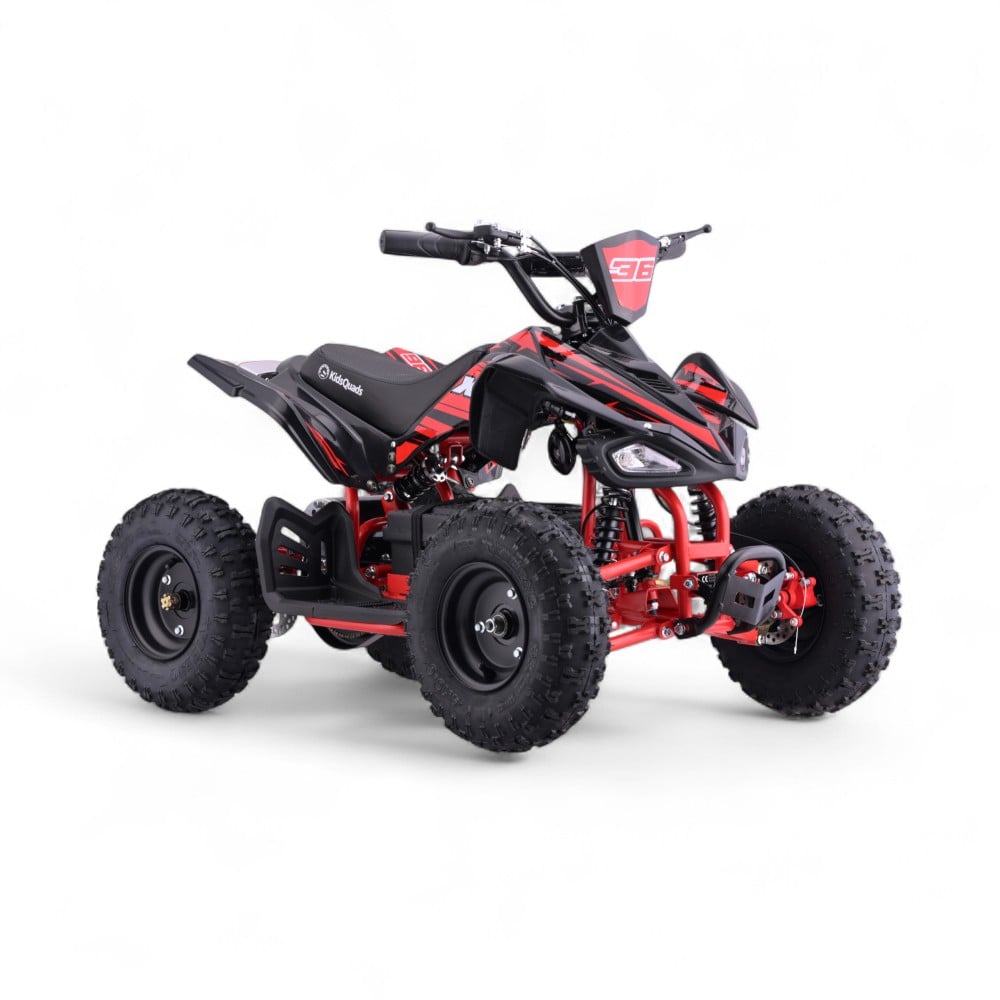
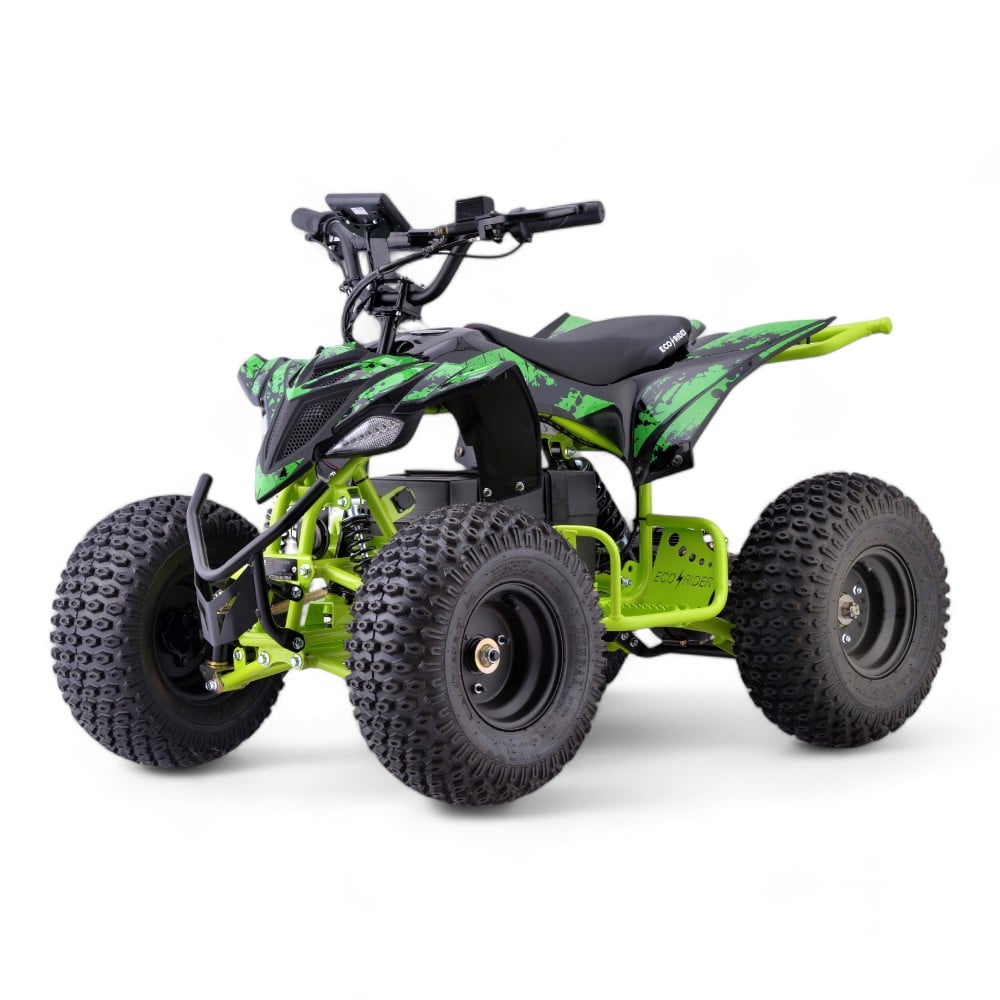
Maintaining your child’s electric quad bike ensures years of safe, reliable riding whilst protecting your investment and preventing costly repairs.

Maintaining your child’s electric quad bike ensures years of safe, reliable riding whilst protecting your investment and preventing costly repairs. Regular care extends battery life, preserves performance and keeps young riders safe, making maintenance a crucial responsibility for every parent who owns a kids electric quad.
Electric quad bikes require significantly less maintenance than petrol alternatives, but neglecting basic care shortens their lifespan dramatically and compromises safety. Unlike traditional quad bikes with complex engines requiring oil changes and fuel system maintenance, electric quads focus primarily on battery health, electrical connections, tyres and basic mechanical components.
Proper maintenance prevents common issues before they develop into expensive problems. Dirty connections cause power loss, underinflated tyres reduce battery efficiency and neglected brakes create dangerous riding conditions. A well-maintained kids electric quad delivers consistent performance, maintains resale value and provides peace of mind that your child rides a safe, reliable machine.
The key difference with electric quad maintenance lies in the electrical system. Batteries, motors and controllers require gentle care and specific attention that differs entirely from petrol quad servicing. Understanding these unique requirements helps parents establish effective maintenance routines that keep electric quads running smoothly for years.
The battery represents the most critical and expensive component of any electric quad bike, making proper care absolutely essential for long-term ownership. Most kids electric quads use either lead-acid or lithium batteries, each requiring specific maintenance approaches to maximise lifespan and performance.
Proper charging habits extend battery life significantly, often doubling the usable lifespan compared to neglected batteries. Always use the charger supplied with your electric quad, as third-party chargers may deliver incorrect voltage or current that damages battery cells permanently.
Charge the battery after every ride, regardless of how much capacity remains. Modern batteries perform better with frequent top-ups rather than complete discharge cycles. The ideal charging routine involves plugging in after riding, allowing the battery to reach full charge, Kids Quads’ chargers have an automatic switch that cuts power to the charger when the quad bike reaches 100% battery charge, a simple function giving peace of mind.
Temperature matters enormously during charging. Charge batteries at room temperature between 10°C and 25°C whenever possible. Never charge a battery that feels hot from recent use—allow at least 30 minutes cooling time first. Similarly, avoid charging batteries in freezing conditions, as cold temperatures prevent proper charging and can damage cells irreversibly.
Most electric quad chargers require 8-12 hours for complete charging. Fast chargers exist but often reduce overall battery lifespan through increased heat generation. Standard overnight charging provides the gentlest, most battery-friendly approach that balances convenience with long-term care.
Proper storage significantly impacts battery longevity, particularly during extended periods of non-use:
Lead-acid batteries typically last 2-3 years with proper care, whilst lithium alternatives can achieve 4-5 years when maintained correctly. Battery replacement represents one of the largest maintenance costs, making proper care a significant money-saving priority.

Establishing a pre-ride inspection routine takes just five minutes but prevents accidents and identifies problems early. Teach children to participate in these checks, building good habits and mechanical awareness that serves them throughout life.
Walk around the electric quad checking for obvious damage, loose parts or anything unusual. Look for cracks in plastic bodywork, loose bolts or components that appear different from the previous ride. This visual inspection often reveals problems before they become dangerous.
Test the throttle response by gently pressing the accelerator before your child mounts the quad. The motor should engage smoothly without jerking or hesitation. Similarly, check the brake pedal or lever provides firm resistance and stops the rear wheels when applied with the quad stationary.
Check tyre pressure using a standard tyre gauge, maintaining the pressure specified in your owner’s manual (typically 25 PSI for most kids electric quads). Underinflated tyres reduce battery range, affect handling and increase puncture risk. Overinflated tyres provide harsh rides and less traction on grass or dirt.
Inspect tyres for cuts, embedded objects or excessive wear. The tread depth should remain clearly visible across the tyre surface. Replace tyres showing significant wear, as worn tyres reduce grip and increase stopping distances on all surfaces.
Weekly maintenance ensures electric quads remain in excellent condition without requiring excessive time investment. These tasks address the most common wear points and prevent minor issues escalating into major problems.
Regular cleaning prevents dirt accumulation that causes corrosion, blocks connections and damages components. However, electric quads require careful cleaning approaches that differ from petrol vehicles due to sensitive electrical components.
Never use pressure washers or direct strong water jets at electric quads. High-pressure water forces moisture into electrical connections, bearings and sealed components, causing corrosion and short circuits. Instead, use a soft brush, damp cloth and mild soap solution to remove dirt gently.
Pay particular attention to the battery terminals and connections. Wipe these with a dry cloth to remove any moisture or corrosion. If you notice white or green crusty buildup on terminals, clean with a solution of baking soda and water, then dry thoroughly and apply petroleum jelly to prevent future corrosion.
Clean the motor housing externally with a soft, dry cloth. Dust and dirt buildup around motors can restrict cooling airflow, potentially causing overheating during use. Keep ventilation slots clear and remove any debris lodged around the motor casing.
Wipe down the bodywork and frame after muddy rides. Dried mud holds moisture against metal components, accelerating rust formation. A quick wipe-down after each muddy adventure prevents long-term deterioration and keeps the quad looking presentable.
Loose or corroded electrical connections cause the majority of electric quad problems. Spend a few minutes each week checking key connection points for security and cleanliness.
Inspect the main battery connector where it plugs into the quad’s wiring harness. This connection carries high current and loosens over time from vibration. Ensure it clicks firmly into place and shows no signs of heat damage (melting, discoloration or burning smell).
Check all visible wire connections throughout the quad. Look for loose spade connectors, frayed wires or damaged insulation. The constant vibration from riding gradually works connections loose, so periodic tightening prevents power loss and intermittent faults.
Motor connections deserve special attention, as these carry high current during acceleration and braking. Ensure motor wires remain securely connected without excessive movement or strain on the connections. Replace any wires showing damage before they fail completely.
Monthly maintenance involves more thorough inspections and services that keep electric quads running safely and efficiently. Set a regular schedule, perhaps on the first weekend of each month, to ensure these tasks don’t get forgotten.
Effective brakes represent the most critical safety component on any kids electric quad. Monthly brake inspections identify wear before it compromises stopping ability.
Test brake performance by riding the quad slowly and applying the brakes. The quad should stop smoothly without pulling to one side. Any grinding noises, reduced stopping power or brake lever travel increasing significantly indicates adjustment or replacement needs.
Inspect brake pads (for disc brakes) or brake shoes (for drum brakes) for remaining thickness. Most brake pads should maintain at least 3mm of friction material. Replace pads showing excessive wear, as worn brakes dramatically increase stopping distances and create dangerous riding conditions.
Check brake cables for fraying, kinking or rust. Cable-operated brakes rely on smooth cable movement for proper operation. Lubricate brake cables annually with light machine oil, working the oil through the cable housing to ensure smooth action throughout the year.
For hydraulic brake systems, check fluid levels in the reservoir. Top up with the correct brake fluid type specified in your owner’s manual. Never allow brake fluid levels to drop below the minimum mark, as this introduces air into the system and reduces braking performance.
The drivetrain transmits motor power to the wheels, requiring regular checks to ensure efficient operation and prevent premature wear.
Chain-driven quads need regular lubrication with appropriate chain oil or spray lubricant. Apply lubricant to the inside of the chain whilst slowly rotating the rear wheel, ensuring even coverage. Wipe away excess lubricant to prevent dirt attraction. Check chain tension monthly—chains should move approximately 10-15mm vertically at the midpoint between sprockets.
Belt-driven systems require less maintenance but still need monthly inspections. Check belts for cracks, fraying or glazing (shiny, hard surface). Replace worn belts before they fail, as belt breakage leaves the quad immobile and requires towing. Proper belt tension prevents slipping and extends belt life, though many kids quads use automatic tensioners requiring no adjustment.
Direct-drive systems (motor mounted directly to wheel) require minimal maintenance but benefit from checking for unusual noise or vibration. Any grinding, clicking or excessive play in the motor indicates bearing wear requiring professional attention.
Suspension components absorb impacts and maintain tyre contact with terrain, making their condition crucial for safe handling and rider comfort.
Check suspension arms and mounting points for excessive play or looseness. Grab the front wheels and attempt to rock them side-to-side and up-and-down. Any clunking sounds or excessive movement indicates worn bushings or bearings needing replacement.
Inspect shock absorbers for oil leaks, physical damage or bent shafts. Leaking shocks lose their damping ability, causing harsh rides and poor handling. Replace damaged shocks as pairs to maintain balanced suspension performance on both sides.
Test steering for smooth operation without binding, looseness or unusual resistance. The handlebars should turn easily from lock to lock without tight spots. Excessive play in steering indicates worn bearings, whilst difficulty turning suggests lubrication needs or damaged components.
Tighten all visible nuts and bolts throughout the quad. Vibration gradually loosens fasteners, particularly on frequently-used machines. Check wheel nuts, suspension mounting bolts, handlebar clamps and bodywork fasteners. Use appropriate torque settings if specified in your owner’s manual.
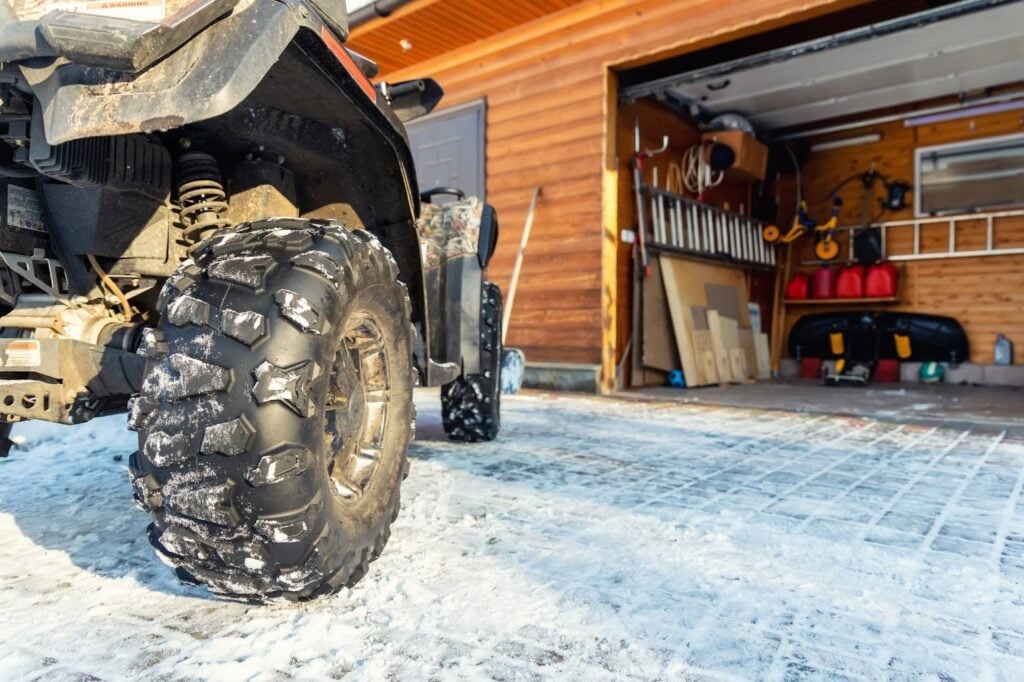
Different seasons present unique challenges and maintenance requirements for electric quad bikes, particularly in regions experiencing significant weather variations throughout the year.
Hot weather affects battery performance and increases cooling demands on motors. Summer maintenance priorities include ensuring adequate ventilation around electrical components and monitoring battery temperature after rides.
Check that all cooling vents remain clear of debris. Motors and controllers generate more heat during summer riding, making proper airflow essential for preventing overheating. Brush away any accumulated dust or plant material blocking ventilation slots.
Increase tyre pressure checks during hot weather, as heat causes air expansion that can lead to overinflation. Reduce pressure slightly if temperatures rise significantly to prevent excessive tyre wear and harsh ride quality.
Avoid leaving electric quads in direct sunlight for extended periods. Park in shade whenever possible, as prolonged sun exposure accelerates plastic deterioration and can overheat batteries to damaging temperatures. If outdoor storage is unavoidable, use waterproof covers to provide shade and weather protection.
Winter presents challenges from cold temperatures, reduced battery performance and potentially corrosive road salt or muddy conditions. Proper winter care prevents damage and ensures quads remain ready for spring riding.
Battery performance decreases in cold weather, often reducing range by 20-30% compared to summer conditions. This is normal but requires adjusting riding expectations and ensuring full charges before winter rides.
For quads stored during winter, follow proper long-term storage procedures. Charge the battery to 50-60% capacity, disconnect it from the quad and store in a warm indoor location. Check monthly and recharge if the capacity drops, as batteries self-discharge slowly even when disconnected.
Clean the quad thoroughly before winter storage, removing all mud and dirt that holds moisture against metal components. Dry the quad completely, then consider applying a thin coat of protective spray to exposed metal parts to prevent rust formation during storage months.
Store the quad itself in a dry, sheltered location away from temperature extremes. Garages or sheds work well, though avoid damp cellars or unheated outbuildings in freezing climates. Elevate the quad slightly to prevent tyres developing flat spots during extended storage periods.
Understanding common problems and their solutions helps parents address issues quickly without expensive professional intervention. Many electric quad faults trace back to simple causes easily resolved at home.
Quad won’t start or shows no power: Check battery charge level first—a completely flat battery prevents any operation. Inspect battery connections for looseness or corrosion. Clean terminals and ensure connections click firmly together. If the battery recently charged fully but shows no voltage, it may have reached end of life and require replacement.
Reduced range or power: Batteries naturally lose capacity over time, but sudden range reduction often indicates a different problem. Check tyre pressures—underinflated tyres dramatically reduce efficiency. Ensure the battery charged properly by monitoring the charger indicator light. Test on level ground, as gradual capacity loss becomes more noticeable on hills first.
Battery won’t charge: Verify the charger works by checking indicator lights according to your charger’s manual. Test at a different electrical outlet to eliminate outlet problems. Inspect the charging port on the battery for damage, debris or corrosion. If everything appears correct but charging still fails, the battery management system may have locked out due to deep discharge, requiring professional reset or replacement.
Motor runs but provides little power: Check battery charge level, as low batteries deliver reduced power. Inspect motor connections for looseness. If the quad has a chain or belt drive, check for proper tension—loose chains or belts slip under load, wasting power. Clean the motor housing of any debris that might restrict cooling.
Unusual motor noises: Grinding or squealing from motors indicates bearing wear or internal damage requiring professional attention. Clicking or rattling might suggest loose motor mounting bolts that can be tightened. Never operate a quad making concerning noises, as continued use often exacerbates damage.
Intermittent cutting out: Usually indicates loose electrical connections, particularly at high-current points like battery terminals or motor connections. Stop immediately and check all connections. Overheating can also cause intermittent operation—allow cooling time and check ventilation isn’t blocked.
Whilst many electric quad maintenance tasks suit confident home mechanics, certain situations require professional expertise to ensure safety and prevent costly mistakes.
Seek professional service for any work involving the motor, controller or complex electrical diagnostics. These components operate at relatively high voltages and currents that require specialized knowledge and tools for safe servicing.
Unusual electrical faults that persist despite checking obvious causes (connections, battery, charger) warrant professional diagnosis. Modern electric quads contain sophisticated electronic controls that require specialized diagnostic equipment to troubleshoot effectively.
Major mechanical repairs such as suspension rebuilds, wheel bearing replacement or frame damage assessment benefit from professional experience. Improper repairs to safety-critical components create dangerous riding conditions, making expert service worthwhile for complex jobs.
Annual professional inspections provide peace of mind and often identify developing problems before they cause failures. Many electric quad retailers offer annual service packages covering comprehensive inspections, adjustments and minor repairs at reasonable prices. Consider professional servicing particularly before busy riding seasons or after extended storage periods.
Involving children in electric quad maintenance builds mechanical appreciation, responsibility and practical skills. Age-appropriate involvement teaches valuable lessons whilst ensuring they understand their quad’s needs.
Young children (ages 4-7) can help with basic tasks like cleaning, visual inspections and checking tyre pressure. Show them how to identify problems and explain why maintenance matters. This early involvement builds good habits and helps them recognize when their quad needs attention.
Older children (ages 8-12) can take more active roles in maintenance routines. Teach them proper cleaning techniques, how to check connections and the importance of thorough pre-ride inspections. Supervise their work initially, then gradually allow independent maintenance as competence develops.
Teenagers can handle most routine maintenance independently with proper instruction. Teach them battery care, brake adjustments and troubleshooting basics. Encourage maintenance logging to track when tasks were completed, developing organizational skills alongside mechanical knowledge.
Making maintenance a shared activity rather than a parent-only chore increases children’s investment in their quad’s condition. Children who understand and participate in maintenance typically treat their quads more carefully and report problems promptly rather than hiding issues from parents.
Maintaining detailed service records provides multiple benefits throughout electric quad ownership. Records help track maintenance schedules, identify patterns in component wear and prove proper care when selling or claiming warranty coverage.
Create a simple maintenance log recording:
Keep receipts for replacement parts and professional services with your maintenance log. This documentation proves proper care for warranty claims and significantly increases resale value by demonstrating responsible ownership to potential buyers.
Digital record-keeping using smartphone apps or spreadsheets makes logging convenient and searchable. Photograph your quad regularly, documenting its condition over time. These photos help identify gradual changes and provide visual evidence of proper care.
Review maintenance records periodically to identify patterns. If specific components fail repeatedly, investigate underlying causes rather than simply replacing parts. Records might reveal, for example, that chain life improves dramatically after adjusting lubrication frequency, guiding future maintenance schedules.
Electric quad maintenance needn’t break the bank when approached strategically. Smart maintenance practices balance thorough care with budget consciousness.
Buy maintenance supplies in bulk when possible. Chain lubricant, cleaning supplies and spare parts often cost significantly less in larger quantities. Share bulk purchases with other electric quad owners to reduce individual costs whilst ensuring everyone maintains adequate supplies.
Learn basic repairs yourself rather than automatically seeking professional service. Many online resources, manufacturer manuals and owner forums provide detailed guidance for common repairs. Starting with simple tasks builds confidence and skills for progressively complex work.
Establish preventive maintenance routines rather than reactive repairs. Regular cleaning, lubrication and adjustments prevent expensive component failures. Replacing worn brake pads costs far less than repairing damaged brake discs from metal-to-metal contact that developed due to neglect.
Keep spare parts for commonly-replaced items. Battery connectors, fuses and brake pads wear predictably, so having spares prevents extended downtime waiting for parts orders. Purchase spare parts during sales or off-season discounts when prices typically drop.
Consider warranty coverage and extended service plans when purchasing new electric quads. These plans often provide excellent value, particularly for first-time owners less confident in DIY maintenance. Calculate the cost of potential repairs versus service plan prices to determine value.
Regular maintenance keeps your child’s electric quad bike safe, reliable and performing at its best for years. The relatively simple care requirements of electric quads make them ideal for families, requiring minimal time investment whilst preventing costly repairs and ensuring consistent riding enjoyment.
Establish maintenance routines early and involve your children appropriately in quad care. These habits benefit not only the quad itself but also teach valuable lessons about responsibility, mechanical understanding and proper equipment care that serve children throughout their lives.
The effort invested in proper electric quad maintenance pays dividends through extended component life, improved safety and sustained performance. By following the schedules and practices outlined in this guide, you’ll maximize your investment whilst giving your children reliable, safe riding experiences.
Ready to keep your child’s electric quad in peak condition? Browse our range of maintenance supplies, replacement parts and accessories designed specifically for kids electric quads. Our expert team remains available to answer maintenance questions and provide personalized advice for your specific quad model. Contact us today for professional guidance on caring for your family’s electric quad bikes.

Isleham Business Park, Unit 16, Hall Barn Road, Isleham, Ely, Cambridgeshire, CB7 5QZ
Sales & Advice: 01223 398 899
Copyright © 2026. Kids Quads. All rights reserved.