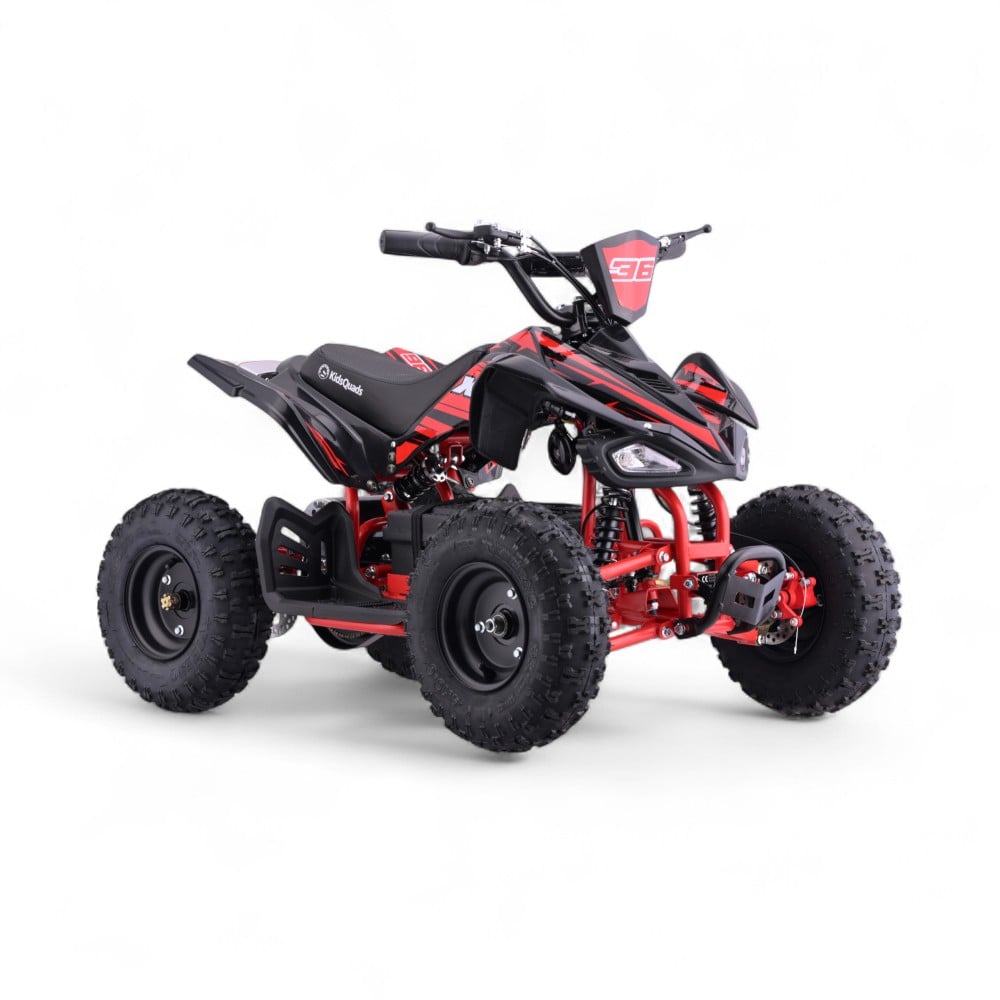
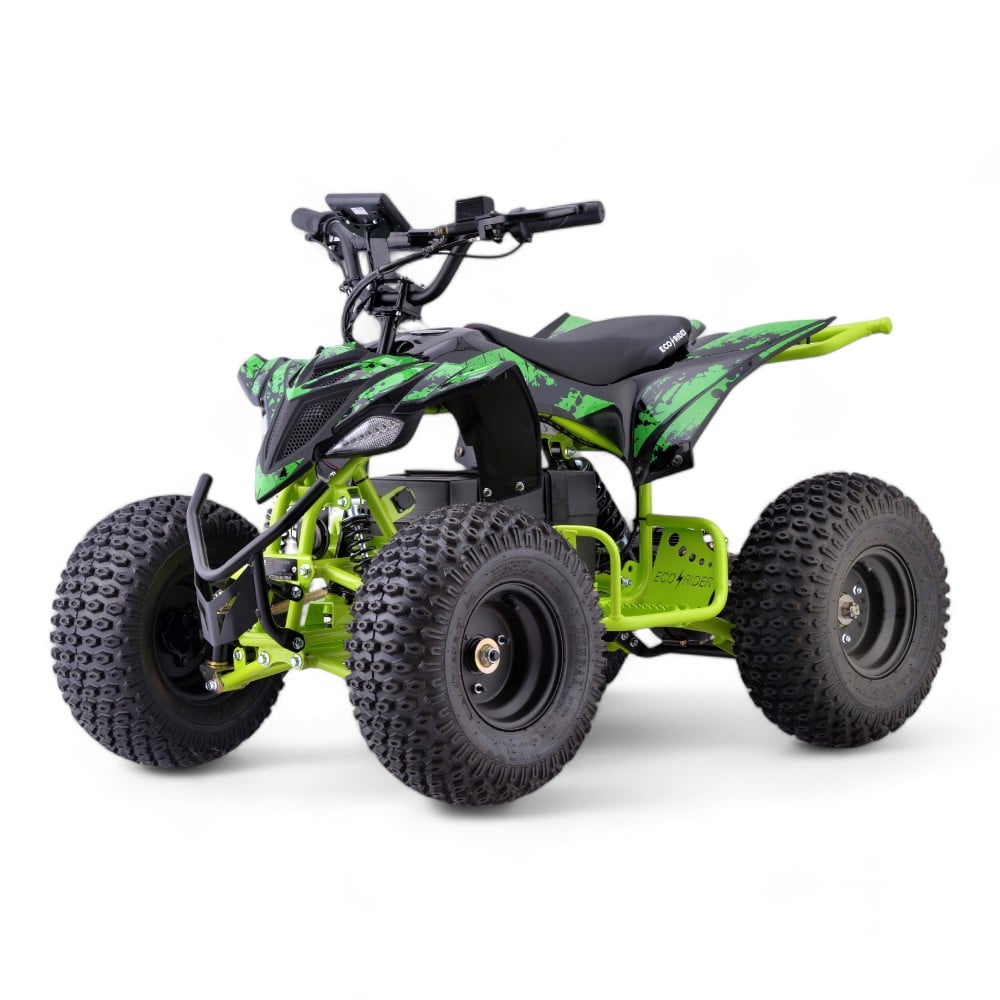
Compare 1000w, 1200w and 1800w electric quad bikes. Discover which motor power rating suits your child’s age, skill level and riding terrain perfectly.
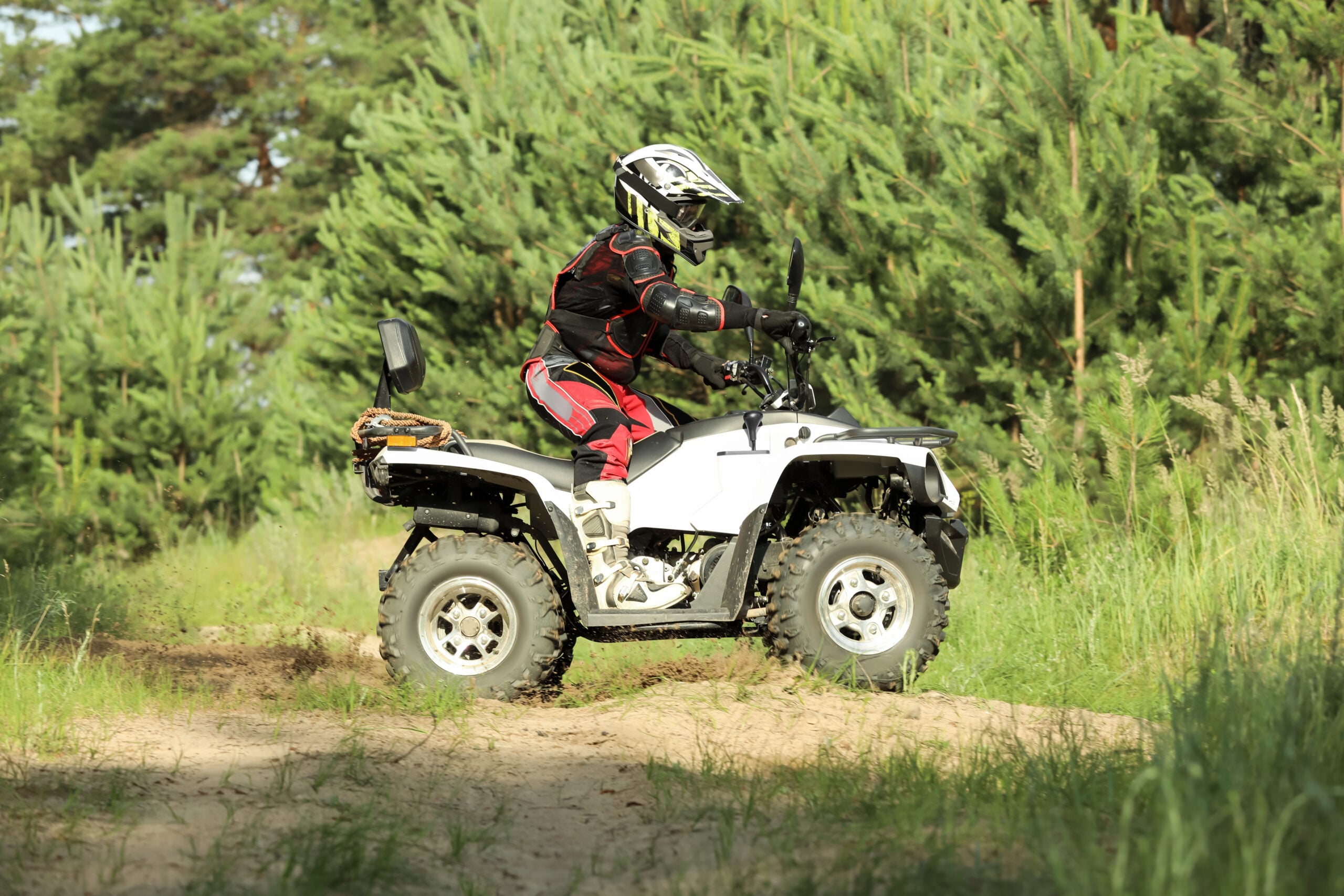
Power rating significantly influences your child’s electric quad bike experience, determining speed, hill-climbing ability, battery life and overall performance. The three most common motor ratings—1000w, 1200w and 1800w—each serve distinct age groups and skill levels, making the right choice crucial for safety and enjoyment.
Motor wattage measures the power output of your child’s electric quad, directly impacting acceleration, top speed and climbing capability. Think of wattage as the engine’s strength—higher wattage delivers more power but also consumes battery faster and requires greater rider experience.
The relationship between voltage and wattage determines actual performance. A 36v 1000w quad performs differently from a 48v 1000w model, even though both carry the same wattage rating. This occurs because higher voltage systems deliver power more efficiently, reducing strain on electrical components whilst maintaining consistent performance.
Electric quad bikes with 1000w motors typically reach top speeds between 18-22 mph depending on battery voltage, rider weight and terrain conditions. These models suit children aged 4-11 years who are developing their riding skills and confidence on various surfaces.
Performance characteristics of 1000w quads:
Speed range varies from 18 mph on 36v systems to 22 mph on 48v configurations. The acceleration provides exciting performance without overwhelming younger riders, allowing gradual skill development. Hill-climbing capability handles moderate inclines up to 15 degrees comfortably, making garden and field riding accessible. Battery runtime extends 1.5-2 hours on 36v systems with 12Ah batteries, providing lengthy adventure sessions.
Parents appreciate 1000w quads for their balanced performance—sufficient power for genuine excitement whilst maintaining controllable speeds that build confidence progressively. The gentler power delivery proves ideal for nervous riders or those transitioning from smaller ride-on toys.
The 1200w motor represents a significant performance upgrade, delivering 20% more power than 1000w equivalents. This additional capability translates to faster acceleration, higher top speeds and noticeably improved hill-climbing performance, making these models perfect for experienced riders aged 8-14 years.
Top speeds reach 22-28 mph depending on voltage configuration and rider weight. The 36v 1200w variants typically achieve 22-24 mph, whilst 48v systems push towards 28 mph on flat terrain. This speed range satisfies adventurous pre-teens and teenagers seeking genuine thrills without excessive risk.
Key advantages of 1200w electric quads:
Enhanced torque delivery provides superior acceleration from standstill, creating more exciting starts and better low-speed manoeuvrability. Steeper gradients become manageable, with 1200w motors conquering inclines up to 20 degrees that would challenge 1000w equivalents. Rougher terrain handling improves thanks to additional power reserves, allowing riders to maintain speed over obstacles and uneven surfaces.
Battery consumption increases with the higher power output, reducing runtime to approximately 1-1.5 hours depending on riding style and terrain. However, the improved performance often justifies the shorter sessions for experienced riders seeking challenge.
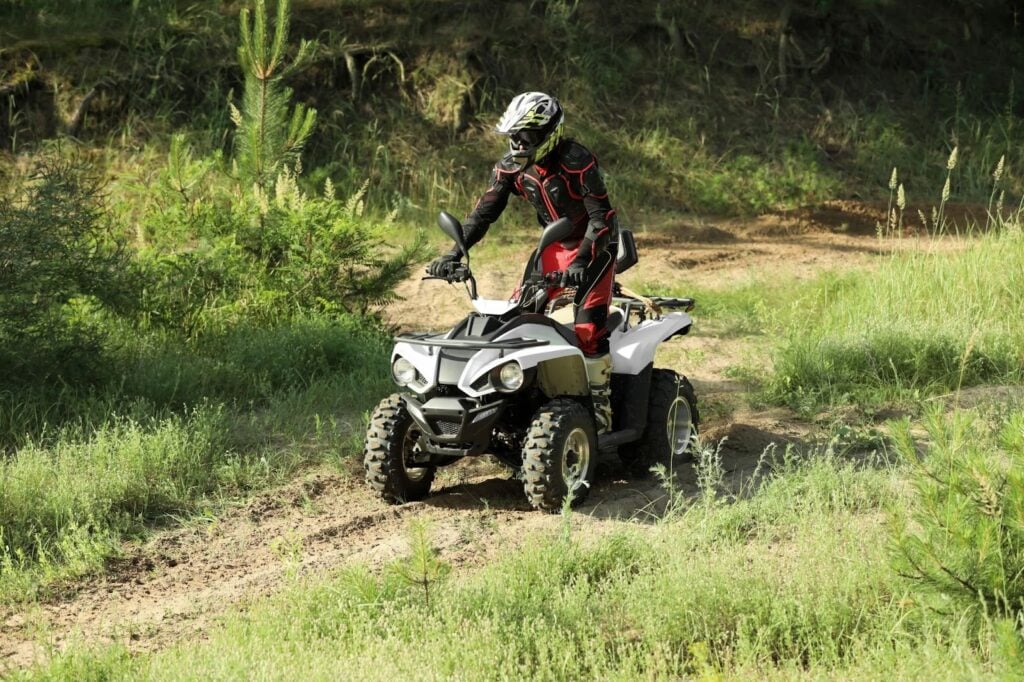
Electric quad bikes rated at 1800w deliver professional-grade performance suitable only for teenagers aged 14+ with substantial riding experience and excellent judgement. These powerful machines reach speeds approaching 35 mph and require mature riders who understand risk management.
The substantial power increase brings both advantages and considerations. Exceptional hill-climbing ability conquers gradients up to 25 degrees effortlessly, opening access to challenging terrain. Lightning acceleration provides thrilling performance that satisfies even experienced riders seeking adrenaline. Extended range capabilities on some models offset higher power consumption through larger battery packs.
Important safety considerations:
Riders must demonstrate competent bike control before upgrading to 1800w models. The aggressive power delivery can overwhelm inexperienced riders, potentially causing loss of control. Adult supervision remains essential even for experienced teenage riders using these powerful machines.
Most families find 1800w quads exceed typical requirements for recreational riding. Unless your teenager regularly rides challenging terrain or has outgrown smaller models, 1000w or 1200w options provide ample excitement with greater safety margins.
Matching motor power to your child’s age, ability and riding environment ensures optimal enjoyment whilst maintaining appropriate safety levels. Consider these age-based recommendations as starting points, adjusting for individual skill and confidence.
Ages 4-7 years: 36v 1000w models provide ideal first quad experiences. Speeds between 8-12 mph (with speed restriction engaged) allow skill development in controlled environments. The manageable power delivery suits coordination development typical of this age group.
Ages 8-11 years: 36v 1000w to 48v 1200w quads match growing confidence and improved coordination. Speed capabilities of 18-24 mph satisfy adventure-seeking whilst remaining within safe parameters for this age bracket. Hill-climbing improvements allow exploration of varied terrain.
Ages 12-14 years: 48v 1200w systems deliver performance matching developing skills and judgement. Speeds approaching 28 mph provide genuine excitement for experienced riders ready to progress beyond entry-level models. Enhanced power supports heavier teenagers and more demanding riding styles.
Ages 14+ years: 48v 1200w to 60v 1800w options suit mature teenagers with extensive riding experience. These powerful machines demand excellent control, sound judgement and understanding of risk management appropriate to near-adult capabilities.
Higher wattage motors consume more electrical energy, directly impacting how long your child can ride between charges. Understanding this relationship helps set realistic expectations and informs charging routines.
A 1000w motor drawing from a 36v 12Ah battery (432Wh capacity) typically provides 1.5-2 hours runtime at moderate speeds on varied terrain. Running at maximum speed or climbing steep hills reduces this to approximately 45-60 minutes.
The 1200w motor paired with identical 36v 12Ah batteries delivers slightly shorter sessions—typically 1-1.5 hours at moderate pace, or 40-50 minutes under demanding conditions. The 20% power increase directly correlates to reduced runtime when comparing identical usage patterns.
Electric quads rated 1800w usually feature larger 48v or 60v battery packs to offset increased consumption. A 48v 20Ah configuration (960Wh) provides comparable runtime to 1000w models despite higher power output, though at significantly greater initial cost.
Practical considerations for parents:
Charging cycles take 4-8 hours depending on battery size and charger specification. Planning overnight charging after each ride ensures readiness for next adventures. Spare batteries offer extended sessions without long waits, though add significant expense. Battery lifespan typically ranges 300-500 charge cycles before noticeable capacity reduction, equating to 2-4 years of regular use.
Motor power dramatically influences your child’s ability to tackle challenging terrain. The difference between 1000w, 1200w and 1800w becomes most apparent on steep gradients and rough surfaces where additional power proves invaluable.
1000w quad bikes handle moderate terrain admirably. Gentle slopes up to 10 degrees present no difficulty, whilst steeper 15-degree gradients prove manageable at reduced speeds. Garden riding, fields and maintained trails suit these models perfectly. Riders may need to assist on very steep sections or with heavy loads.
1200w electric quads transform hill-climbing capability. Inclines approaching 20 degrees become conquerable whilst maintaining reasonable speed. The additional torque allows riders to power through rough terrain without momentum loss. This capability expands accessible riding areas significantly compared to 1000w equivalents.
1800w models excel on challenging terrain requiring professional-grade capability. Steep 25-degree gradients cause minimal speed reduction. Rocky, uneven surfaces and deep grass become navigable obstacles rather than barriers. The substantial power reserves ensure riders never feel underpowered regardless of conditions.
Tyre size and tread pattern influence terrain capability alongside motor power. Larger diameter tyres with aggressive tread multiply the benefits of higher wattage motors when riding off-road.
Purchase price increases with motor power rating, though the relationship isn’t strictly linear. Additional factors including battery capacity, build quality and brand reputation significantly influence final costs.
Electric quad bikes with 1000w motors typically retail between £400-650 depending on voltage configuration and feature specification. These entry-level to mid-range models offer excellent value for families seeking quality without premium pricing.
The 1200w category spans £600-850, representing moderate price increases for substantially improved performance. Many families consider this the “sweet spot” offering professional-grade capability without excessive expense.
Premium 1800w quads command £1,200-2,000+ reflecting their advanced specifications, larger batteries and commercial-grade components. These represent serious investments suited to dedicated teenage riders who will maximise their capabilities.
Long-term cost considerations:
Replacement batteries for 36v systems cost £80-150, whilst 48v and 60v equivalents range £150-300. Higher voltage batteries cost more but typically include greater capacity. Electricity costs remain minimal across all power ratings—charging fully depleted batteries costs approximately 15-30 pence depending on capacity. Maintenance requirements stay relatively consistent regardless of wattage, with tyre replacement and brake pad renewal representing primary ongoing expenses.
Value depends entirely on your child’s age, experience level and intended usage. The “best” choice balances adequate performance against appropriate safety and reasonable cost.
For first-time riders aged 4-9: 36v 1000w models deliver unbeatable value. Sufficient performance for skill development, manageable speeds for parental peace of mind, and economical pricing make these ideal starting points. Lower running costs and extended battery life add to their appeal.
For experienced riders aged 8-14: 48v 1200w quads represent optimal value for money. The performance increase over 1000w variants justifies modest price premiums, whilst costs remain significantly below 1800w alternatives. These models offer longevity—riders won’t quickly outgrow capabilities.
For dedicated teenage riders 14+: 48v 1200w to 60v 1800w options deliver value through sustained engagement. The substantial performance satisfies experienced riders for years rather than months, justifying higher initial investment through extended usability.
Purchasing conservative initially allows progression to more powerful models as skills develop. However, families confident in their child’s abilities may find buying appropriate long-term models more economical than multiple upgrades.
Manufacturer specifications represent optimal conditions—light riders on flat terrain with fresh batteries and moderate speeds. Real-world performance typically falls 10-20% below advertised capabilities depending on conditions.
Factors reducing performance:
Rider weight significantly impacts all specifications. Heavier children experience lower top speeds, reduced range and diminished hill-climbing ability compared to lighter riders using identical quads. Terrain conditions dramatically influence battery consumption—rough surfaces and inclines potentially halve runtime compared to flat, smooth riding. Weather affects battery performance, with cold temperatures reducing capacity by 10-30% depending on severity.
Parents should expect 1000w quads to deliver 15-18 mph realistically rather than advertised 20+ mph maximums. Hill-climbing on 15-degree slopes may require the lightest speed setting or rider assistance on occasion. Battery runtime typically averages 60-90 minutes rather than stated 2-hour maximums.
The 1200w category delivers 20-24 mph sustainable speeds with experienced riders in good conditions. Steeper terrain remains accessible without significant speed reduction. Runtime averages 45-75 minutes depending on usage intensity.
Powerful 1800w models achieve advertised performance more consistently thanks to power reserves. Even under demanding conditions with heavier riders, capabilities remain impressive. However, aggressive riding still reduces battery life to 40-60 minutes despite larger capacity packs.
All quality electric quad bikes incorporate essential safety features regardless of wattage. However, more powerful models typically include additional protections befitting their increased performance.
Standard safety features (all power ratings):
Speed restriction systems allow parents to electronically limit maximum velocity during initial learning phases. Most models offer 2-3 speed settings adjustable via key switches or controllers. Brake systems employ disc brakes front and rear, providing reliable stopping power proportionate to speed capabilities. Kill switches enable instant power disconnection in emergency situations. Chain guards protect riders from mechanical components.
Enhanced features on 1200w-1800w models:
Remote cut-off switches on premium models allow parents to immediately disable quads from distance if situations develop. Upgraded brake systems feature larger discs and improved callipers matching higher speeds. Reinforced frames handle increased stresses from powerful motors and aggressive riding. Improved suspension systems smooth rough terrain impacts common with capable machines.
Proper safety equipment remains essential regardless of motor power. Full-face helmets, goggles, gloves, long-sleeved protective clothing and boots should always accompany quad riding. The specific equipment requirements don’t change between 1000w and 1800w models—all demand identical protection.
Selecting between 1000w, 1200w and 1800w electric quad bikes requires honest assessment of your child’s age, experience, maturity and intended riding environment. Consider these questions when making your decision:
Does your child have previous riding experience, or is this their first quad bike? Beginners benefit from starting conservatively with 1000w models regardless of age. What terrain will they primarily ride? Garden and field use suits any power rating, whilst challenging hills and rough terrain favour 1200w-1800w capability.
How confident and coordinated is your child compared to peers? Some 8-year-olds demonstrate maturity and control exceeding 12-year-old counterparts. Individual assessment matters more than strict age guidelines. What is your budget for initial purchase and ongoing costs? Remember that larger batteries, replacement parts and potential upgrades factor into long-term expenses.
Will they ride with siblings or friends? Matching power ratings simplifies group rides and reduces frustration from performance disparities. Consider that children grow and develop skills rapidly. Purchasing slightly beyond current capabilities extends useful lifespan but requires careful supervision during the growth period.
Most families find 1000w quads perfect for children aged 4-10 developing foundational skills. The 1200w category serves experienced riders aged 8-14 seeking enhanced performance. Reserve 1800w models for dedicated teenage riders who have demonstrably mastered smaller machines and show mature judgement.
Can you upgrade a 1000w quad to 1200w by changing the motor?
Technically possible but rarely advisable. Motor upgrades require compatible controllers, potentially larger batteries and reinforced components to handle increased power. The expense typically approaches purchasing an appropriate model initially, whilst potentially voiding warranties and creating safety concerns.
Which power rating is best for twins or siblings?
Matching power ratings simplifies shared riding experiences and reduces sibling rivalry. If age gaps exist, consider two 1000w models or a 1000w and 1200w combination depending on skill differences. Vastly different power ratings cause frustration for slower riders struggling to keep pace.
How does brushless technology affect these power ratings?
Brushless motors deliver advertised wattages more efficiently than brushed equivalents, translating to improved battery life, reduced heat and longer component lifespan. A 1200w brushless motor often performs comparably to 1500w brushed alternatives whilst consuming less energy.
What happens if my child finds their quad too slow?
Most models include speed restriction settings for gradual progression. Removing restrictions safely increases performance as skills develop. If the quad remains inadequate after removing limitations, consider trading up rather than attempting modifications that might compromise safety.
Are higher wattage quads harder to control?
More powerful motors deliver aggressive acceleration requiring developed throttle control. However, quality models incorporate progressive throttle response making power delivery predictable. Skill development matters more than raw power—a competent rider manages 1800w machines whilst nervous beginners struggle with 1000w models.
Ready to find the perfect kids electric quad bike? Browse our complete range of 1000w and 1200w models designed specifically for young adventurers aged 4-16 years, all featuring comprehensive safety systems and backed by expert support.

Isleham Business Park, Unit 16, Hall Barn Road, Isleham, Ely, Cambridgeshire, CB7 5QZ
Sales & Advice: 01223 398 899
Copyright © 2026. Kids Quads. All rights reserved.